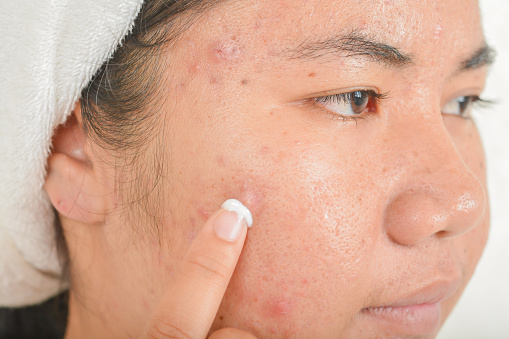
Severe acne scars can affect more than just your skin — they can impact confidence, social life, and emotional well-being. If over-the-counter creams and home remedies haven’t worked, it may be time to consider professional help. Dermatologists offer advanced treatments that can dramatically improve even deep, stubborn scars.
This article explains the best dermatologist treatments for severe acne scars in simple, easy words. You’ll learn how each treatment works, who it’s best for, and what results you can expect.
Understanding Severe Acne Scars
Before choosing a treatment, it helps to know what type of scars you have. Severe acne scars usually fall into these categories:
1. Ice Pick Scars
Deep, narrow holes that look like the skin was punctured with a sharp object.
2. Boxcar Scars
Round or oval depressions with sharp edges.
3. Rolling Scars
Wide, shallow dents that make the skin look uneven or wavy.
4. Hypertrophic or Keloid Scars
Raised, thick scars that sit above the skin surface.
Each type responds differently to treatment, which is why a dermatologist’s evaluation is so important.
Why See a Dermatologist?
Severe acne scars rarely improve with home treatments alone. Dermatologists have access to medical procedures that:
- Reach deeper layers of skin
- Stimulate new collagen growth
- Smooth uneven texture
- Reduce discoloration
- Provide long-lasting results
Many patients need a combination of treatments for the best outcome.
Best Dermatologist Treatments for Severe Acne Scars
1. Laser Resurfacing
Laser treatment is one of the most effective options for deep scars.
How It Works
A laser removes damaged skin layers and stimulates new collagen production. Over time, new skin grows smoother and firmer.
Types of Laser Treatment
Ablative Lasers
- Remove outer skin layers
- Best for deep scars
- Longer recovery time
- Dramatic results
Non-Ablative Lasers
- Heat skin without removing layers
- Less downtime
- Gradual improvement
Best For:
- Boxcar scars
- Rolling scars
- Uneven texture
Recovery:
1–2 weeks for ablative lasers; a few days for non-ablative types.
2. Microneedling (Collagen Induction Therapy)
Microneedling is a popular treatment with minimal downtime.
How It Works
Tiny needles create controlled micro-injuries in the skin. This triggers natural healing and collagen production.
Benefits:
- Improves skin texture
- Reduces depth of scars
- Safe for most skin tones
- Minimal recovery time
Enhanced Microneedling
Dermatologists often combine it with:
- Radiofrequency energy
- Growth factors
- PRP (Platelet-Rich Plasma)
These combinations can boost results for severe scars.
Best For:
- Rolling scars
- Mild to moderate boxcar scars
3. Chemical Peels
Medical-grade peels are stronger than salon treatments.
How They Work
A chemical solution removes the top layers of skin, encouraging new skin growth.
Types Used for Severe Scars
Medium Peels
- Improve texture and discoloration
Deep Peels
- Reach deeper skin layers
- Can significantly reduce scars
Best For:
- Surface scars
- Skin discoloration
- Rough texture
Deep peels require more recovery but can produce dramatic results.
4. Dermal Fillers
Fillers provide quick improvement for depressed scars.
How They Work
A dermatologist injects a soft substance under the scar to lift it up to the level of surrounding skin.
Common Types:
- Hyaluronic acid fillers
- Collagen-stimulating fillers
Benefits:
- Immediate results
- Minimal downtime
- Natural appearance
Drawback:
Temporary — results last 6 months to 2 years depending on the filler.
Best For:
- Rolling scars
- Some boxcar scars
5. Subcision
Subcision is a powerful treatment for deep, tethered scars.
How It Works
A small needle is inserted under the skin to break fibrous bands pulling the scar downward.
Once released, the skin rises and becomes smoother.
Benefits:
- Permanent improvement
- Often combined with fillers or microneedling
- Excellent for stubborn scars
Best For:
- Rolling scars
- Deep depressed scars
6. Punch Techniques (For Ice Pick Scars)
Ice pick scars are very deep and narrow, making them hard to treat with surface methods.
Dermatologists use minor surgical procedures such as:
Punch Excision
The scar is removed and the skin is stitched closed.
Punch Elevation
The scar base is lifted to skin level instead of removed.
Best For:
- Ice pick scars
- Deep boxcar scars
These techniques are highly effective but usually used on a small number of scars.
7. Radiofrequency Treatments
Radiofrequency (RF) devices heat deeper skin layers to stimulate collagen production.
Often combined with microneedling, this treatment can significantly improve skin thickness and smoothness.
Benefits:
- Tightens skin
- Improves texture
- Safe for darker skin tones
- Minimal downtime
Best For:
- Moderate to severe acne scars
- Loose skin with scarring
8. Steroid Injections for Raised Scars
For hypertrophic or keloid scars, dermatologists often use corticosteroid injections.
How They Work
The medication reduces inflammation and slows excess collagen production.
Results:
- Flatter scars
- Reduced redness
- Improved appearance
Multiple sessions may be required.
Combination Treatments Work Best
Severe acne scars usually need more than one approach. Dermatologists often create personalized plans such as:
- Subcision + fillers
- Microneedling + PRP
- Laser + chemical peel
- Surgery + resurfacing
Combination therapy targets different aspects of scarring for better overall results.
How Many Sessions Are Needed?
This varies depending on scar severity and treatment type.
Typical ranges:
- Laser resurfacing: 1–3 sessions
- Microneedling: 3–6 sessions
- Chemical peels: Several sessions
- Fillers: Maintenance treatments
- Subcision: 1–3 sessions
Improvement continues for months as collagen rebuilds.
What Results Can You Expect?
Most treatments significantly improve scars but may not remove them completely.
Realistic expectations:
- Smoother skin texture
- Reduced scar depth
- More even tone
- Improved confidence
Many patients achieve 50–80% improvement.
Tips for Better Results
To maximize treatment success:
- Follow dermatologist instructions carefully
- Avoid sun exposure
- Use sunscreen daily
- Keep skin moisturized
- Avoid picking or squeezing skin
- Maintain a healthy skincare routine
Patience is key — skin healing takes time.
When to Start Treatment
You can begin scar treatment once active acne is under control. Treating scars while acne is still present can lead to new scars forming.
If you still have breakouts, your dermatologist may first prescribe medications to stop acne.
Conclusion
Severe acne scars can feel permanent, but modern dermatology offers many powerful solutions. From laser resurfacing and microneedling to subcision and surgical techniques, treatments today can dramatically improve skin texture and appearance.
The best approach depends on your scar type, skin tone, budget, and recovery preferences. Consulting an experienced dermatologist is the most important step toward achieving smoother, healthier skin.
Remember — improvement takes time, but with the right treatment plan, clearer skin is absolutely possible.
Frequently Asked Questions (FAQs)
1. What is the most effective treatment for severe acne scars?
Laser resurfacing and subcision are often considered the most effective for deep scars. However, the best treatment depends on the type of scars you have.
2. Can severe acne scars be completely removed?
Most treatments cannot remove scars 100%, but they can significantly reduce their appearance. Many people see dramatic improvement.
3. Is laser treatment painful?
Most laser procedures involve numbing cream or local anesthesia. Patients usually feel mild discomfort rather than severe pain.
4. How long does it take to see results?
Some treatments show improvement within weeks, while others take several months as collagen rebuilds. Full results often appear after 3–6 months.
5. Are these treatments safe for all skin types?
Many treatments are safe, but some lasers and peels require caution for darker skin tones. A qualified dermatologist will choose the safest option for your skin.
