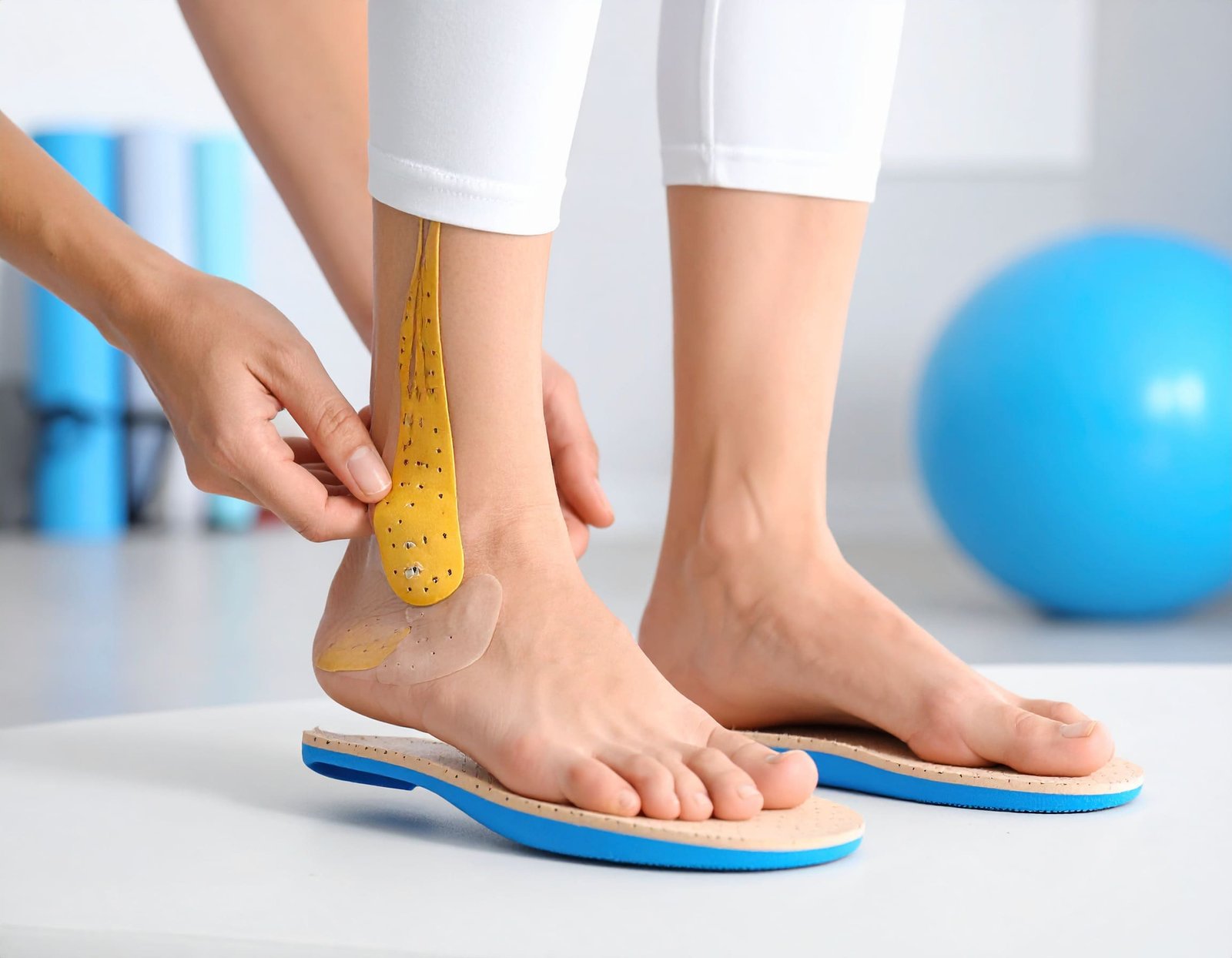
Spinal stenosis narrows spaces in the spine, and that change may irritate nearby nerves. Many people feel leg pain, numbness, or weakness, and since walking shifts weight through the feet, foot care plays a direct role in daily movement. Good foot support does not treat spinal stenosis, but it may reduce added strain during standing and walking. This is how proper foot care supports people with spinal stenosis:
Reducing Impact on Spine
When your feet absorb force poorly, more stress travels upward into the ankles, knees, hips, and lower back. This chain affects posture, and it may add stress to areas already narrowed by spinal stenosis. Soft-tissue problems in the feet also alter step length because people try to avoid pain. Small changes in each step can add up over a full day.
Shoes with firm midsoles, stable heels, and enough toe room spread pressure more evenly. Because worn soles tilt the foot, old shoes may increase uneven loading across the spine. Many people do better when they replace shoes before the tread breaks down.
Correcting Imbalances
Flat feet may let the arch drop, and high arches may limit shock control. Since each pattern shifts body weight differently, the knees and pelvis may move off-line during walking. That offset may increase stress around the lower spine.
A clinician can check for uneven wear patterns and joint limits, and those findings often explain repeated strain. One foot may roll inward more than the other. Because this difference changes the balance, the trunk may lean or rotate during each step. Custom or prefabricated orthotics sometimes help guide foot position.
Muscle tightness also plays a part, and tight calves often reduce ankle motion. Reduced ankle motion changes stride. Because the body still needs forward movement, extra motion may come from the knees, hips, or lower back. Simple foot and ankle exercises may support steadier mechanics.
Improving Walking Techniques
Walking with spinal stenosis often becomes shorter and slower, but poor foot placement may make movement less efficient. Many people strike too hard with the heel. Because that pattern sends a sharper force upward, symptoms may feel worse during longer walks. A gait assessment gives useful details.
Try a few basic cues during walking:
- Land softly
- Keep steps short
- Point toes forward
These cues reduce extra motion, and they make foot contact more predictable. Short practice sessions work best. Because fatigue changes form, longer walks may hide useful patterns that show up early.
Reducing Nerve Compression
Nerve symptoms often worsen when posture shifts forward or side to side, and foot pain may trigger both patterns. A tender toe, thick callus, or unstable shoe changes stance. As weight shifts away from the sore area, the pelvis and low back may compensate. That response may increase irritation along already sensitive nerve pathways.
Get Checked for Spinal Stenosis
Since numbness, weakness, and balance changes may also come from other problems, a medical exam helps sort out the source. You may also need a foot exam if pain changes how you walk. Watch for signs such as leg pain with walking, numb feet, balance trouble, or relief when bending forward. These patterns offer clues, and they help guide next steps. If these symptoms sound familiar, schedule an evaluation with a spine specialist or podiatrist.
- How To Manage a Rotator Cuff Tear
- Treatment Options for a Rotator Cuff Tear
- Erectile Dysfunction Specialists and How They Help Improve Quality of Life
- The Benefits of a Podiatrist in Managing Chronic Foot Pain
- What To Expect During a Visit to the Gynecologist
