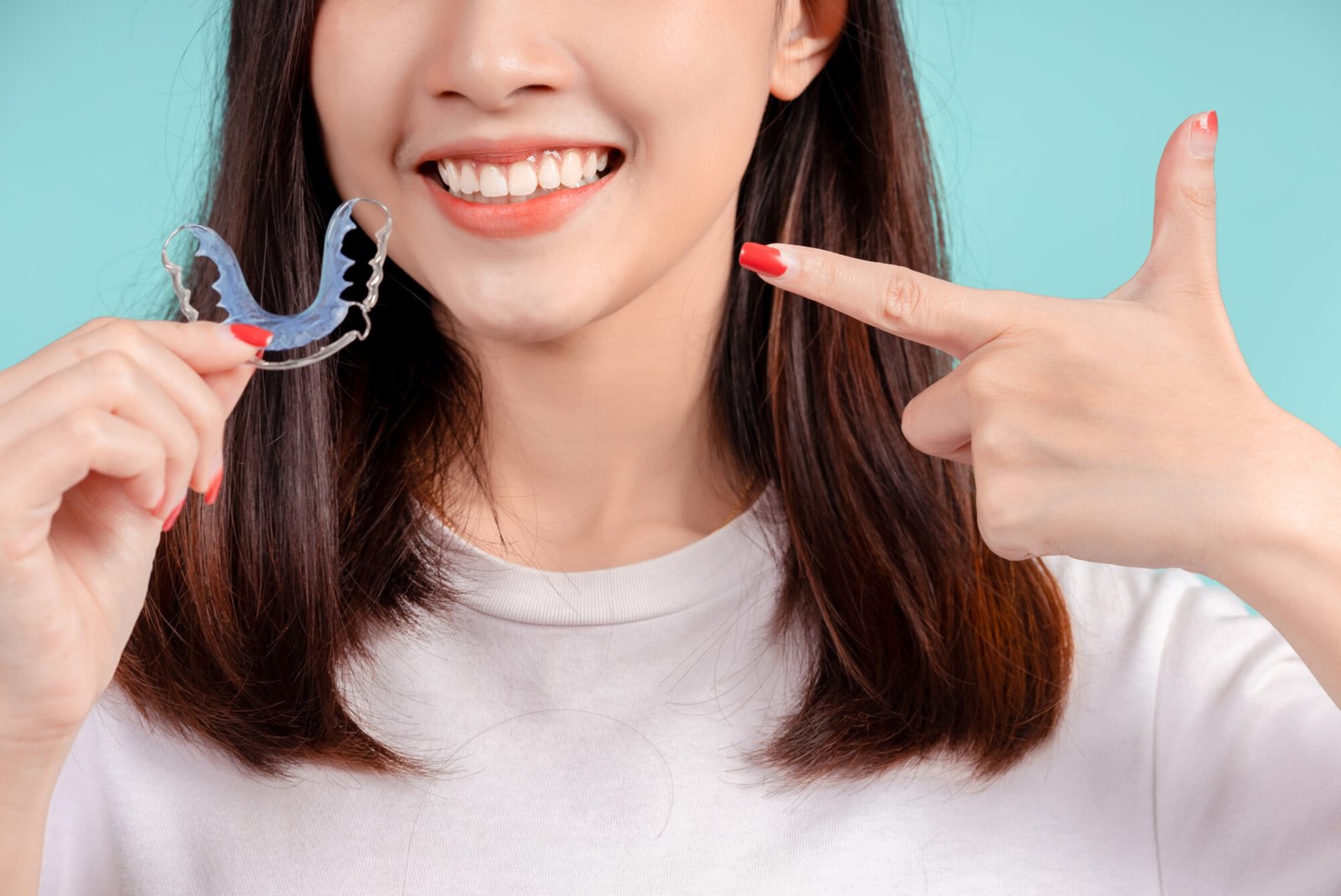
Orthodontics corrects the position of teeth and jaws to improve bite alignment and dental function. Once active treatment ends, teeth are not fixed in place right away. Retainers are used after treatment to help maintain the new alignment; this gives the surrounding tissues time to adjust. Here are some benefits of retainers after orthodontic treatment:
Prevents Relapse
After braces or aligners come off, teeth are still influenced by pressure from the lips, cheeks, and tongue, as well as biting forces. For that reason, teeth may begin to shift back toward their original positions. This movement is called relapse, and it gradually alters tooth alignment if left uncontrolled.
Relapse may happen for several reasons. Because gum fibers and bone need time to adapt after teeth move, stability does not occur immediately. Some teeth are more likely to rotate or drift than others, and growth changes in the jaw also affect alignment over time, especially in younger patients.
A retainer helps reduce this backward movement by holding teeth in place during the retention phase, and it supports long-term stability after an orthodontics treatment. In many cases, orthodontists recommend wearing the retainer full-time at first, then switching to a nighttime schedule. The plan also depends on the patient’s age and the condition of the bite at the end of treatment.
Stabilizes Teeth
Tooth movement after orthodontic treatment is often subtle and goes unnoticed initially. But the teeth and surrounding structures need ongoing support, as bone remodeling persists after treatment ends. The periodontal ligament, which connects each tooth to the bone, also needs time to settle. During this phase, retainers provide stability. They help maintain the spacing and alignment established during treatment, and this lets the mouth adjust to the new arrangement.
Different types of retainers serve this purpose. Removable retainers are often made of clear plastic or acrylic with wire components. Fixed retainers use a thin wire bonded behind certain teeth, often in the lower front, where crowding frequently returns. Fit also matters. A retainer that feels loose, cracked, or warped may not hold teeth as intended. If a retainer no longer fits, an orthodontist will recommend replacement, so follow-up visits are a key part of post-treatment care.
Supports Long-Term Oral Health
Aligned teeth are often easier to clean than crowded or overlapping teeth. When spacing and tooth position are maintained, brushing and flossing may be more thorough. Bite stability also plays a role in long-term oral health. When teeth meet more evenly, certain areas may experience less uneven wear. Retainers help preserve the alignment achieved during orthodontic treatment, and this supports that balance over time. Keeping teeth in place also helps reduce the need for orthodontic correction later.
Visit an Orthodontics Clinic
Retainers are a standard part of orthodontic treatment; they help support stability and maintain alignment after braces or aligners are removed. If you have finished treatment or your retainer no longer fits, schedule a visit with an orthodontics clinic. An orthodontist will examine your teeth, review your retainer use, and discuss the next steps. Contact a local clinic today to book an appointment.
- How To Manage a Rotator Cuff Tear
- Treatment Options for a Rotator Cuff Tear
- Erectile Dysfunction Specialists and How They Help Improve Quality of Life
- The Benefits of a Podiatrist in Managing Chronic Foot Pain
- What To Expect During a Visit to the Gynecologist
