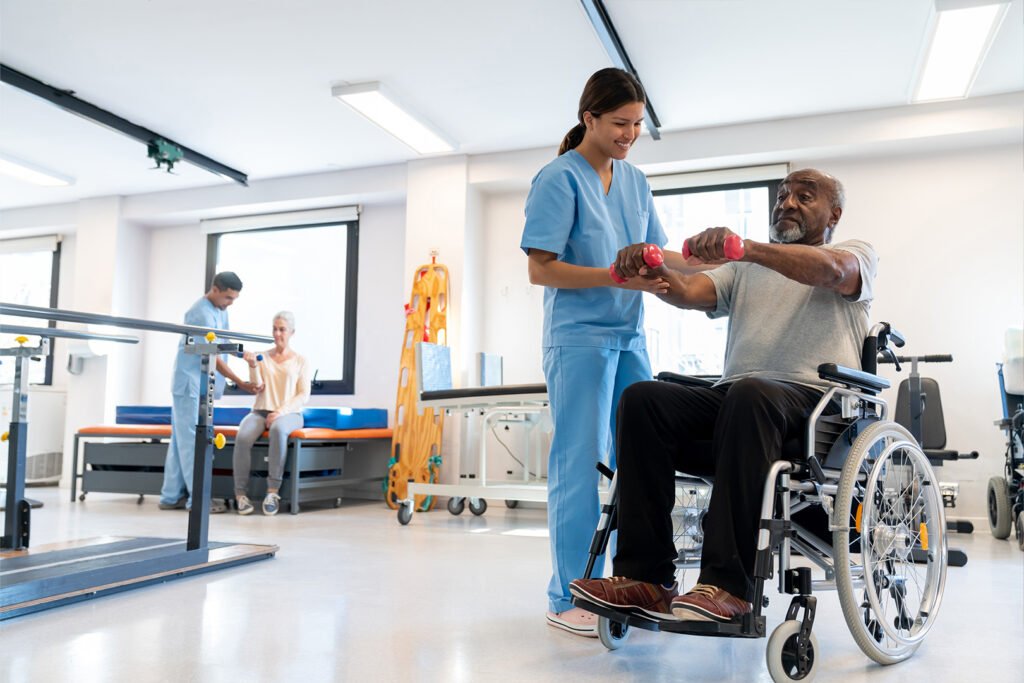
Orthopedic urgent care focuses on injuries and conditions affecting the bones, joints, muscles, ligaments, and tendons. These clinics treat patients who need prompt attention but do not require a hospital emergency room. Many orthopedic urgent care centers have on-site imaging, such as X-rays, along with providers trained in musculoskeletal care. This setup allows for quicker evaluation of sprains, strains, fractures, and similar injuries. Here’s information on urgent care services for common orthopedic conditions:
ACL Injuries
The anterior cruciate ligament, or ACL, is one of the major ligaments in the knee. It helps stabilize the joint during movement, so ACL injuries often happen during sports that involve sudden stops, pivots, or jumps. People may hear a popping sound at the moment of injury, followed by swelling and difficulty bearing weight.
When an ACL injury is suspected, urgent care providers can perform an initial assessment of the knee. This usually includes a physical examination and imaging to rule out fractures. Staff may apply a brace, recommend rest, and provide guidance on next steps. For more complex cases, providers often refer patients to an orthopedic specialist for further evaluation and possible surgical consultation.
Muscle Injuries
Muscle injuries range from mild strains to more significant tears. A strain happens when muscle fibers stretch beyond their normal limits, while a tear involves a partial or complete separation of those fibers. Some common causes of muscle injuries include:
- Developing an Overuse Injury
- Making Sudden Movements
- Heavy Lifting
- Inadequate Warm-up Time Before Strenuous Activity
Symptoms can include localized pain, swelling, bruising, and reduced range of motion. At an orthopedic center that offers urgent care services, providers examine the affected area to assess the severity of the injury, and they may use imaging to check for related damage. Treatment often centers on rest, ice, compression, and elevation. Providers may also discuss activity modification and timelines for returning to normal movement, depending on the nature of the injury.
Joint Dislocations
A dislocation occurs when the bones that form a joint are forced out of their normal position. Shoulders, fingers, elbows, and kneecaps are among the most commonly dislocated joints. Dislocations can result from actions like falls or direct impacts to a joint, and they may cause symptoms like:
- Visible Deformity
- Intense Pain
- Limited Movement
Prompt evaluation is invaluable because dislocations can affect nearby nerves and blood vessels.
Orthopedic providers assess the joint, order imaging to confirm the dislocation, and determine whether the bones can be repositioned in the clinic. Some dislocations are reduced on-site, while others require referral to a specialist or emergency facility. After a joint is realigned, providers may recommend immobilization with a sling or splint, followed by a recovery plan and follow-up care. For severe injuries that involve significant bleeding, loss of consciousness, or signs of a serious fracture, an emergency room remains the proper destination.
Get Timely Urgent Care Treatment
Orthopedic urgent care offers an accessible option for people dealing with injuries to the bones, joints, and soft tissues. With trained providers and on-site imaging, urgent care can help you understand the nature of an injury and begin appropriate treatment. Seeking care soon after an injury allows providers to assess your situation accurately and recommend a suitable plan. Whether the concern involves a knee, a muscle, or a dislocated joint, early evaluation supports clearer decisions about treatment and follow-up. If you have an injury that needs prompt attention, contact a local orthopedic center to learn about their urgent services.
- How To Manage a Rotator Cuff Tear
- Treatment Options for a Rotator Cuff Tear
- Erectile Dysfunction Specialists and How They Help Improve Quality of Life
- The Benefits of a Podiatrist in Managing Chronic Foot Pain
- What To Expect During a Visit to the Gynecologist
