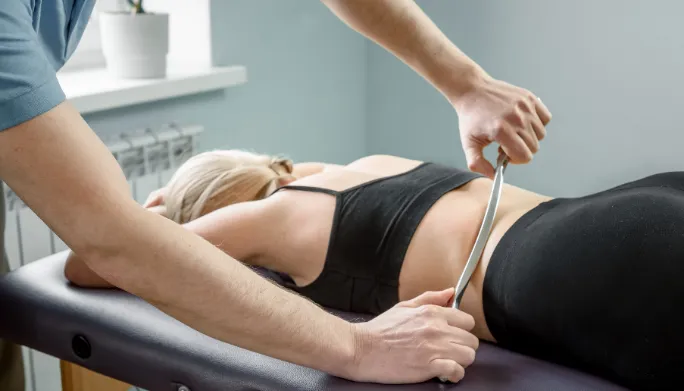
Sciatica affects many adults at some point during their lifetimes, causing distinct discomfort that radiates through the lower body. This condition arises when the sciatic nerve experiences compression or irritation. The resulting symptoms range from mild tingling to severe pain that limits daily mobility. Many patients explore non-surgical interventions before looking into surgical procedures, and medical professionals can integrate physical therapy into conservative care plans to help patients manage symptoms.
What Is Sciatica?
The sciatic nerve stands as the largest nerve in the human body. Two of these nerves exist, with one running down each side of the lower body. The nerve originates from the spinal nerves in the lower lumbar region, passing through the buttocks and extending down the legs.
When surrounding tissues compress this nerve, patients experience a collection of symptoms collectively known as sciatica. Symptoms usually manifest on one side of the body. Individuals can experience lower back pain that shoots into the buttocks and radiates down the leg. Some people experience numbness, weakness, or a tingling sensation in the affected leg or foot.
Herniated discs in the lower lumbar spine are a frequent cause of this nerve compression. Other structural issues can also irritate the nerve, including spinal stenosis, localized tumors, and infections. Carrying excess weight, maintaining a sedentary lifestyle, and working in occupations that require heavy lifting can elevate the risk of developing this condition, but sometimes, the condition appears spontaneously in otherwise healthy individuals.
How Is It Treated?
Proper care begins with an accurate diagnosis. Orthopedic specialists conduct thorough medical histories and physical examinations to pinpoint the exact source of nerve compression. During the physical exam, a physician typically asks the patient to perform specific maneuvers designed to stretch the sciatic nerve. These movements may recreate the radiating pain or tingling, and the physician can confirm nerve compression. To visualize the underlying structures, doctors rely on diagnostic imaging studies.
Treatment protocols vary based on the specific condition causing the nerve irritation. Conservative care can involve a combination of targeted physical therapy and spinal injections designed to reduce localized inflammation. If non-invasive methods fail to provide relief or if the nerve compression causes severe weakness, orthopedic surgeons might recommend surgical intervention. Procedures like a laminectomy widen the spinal canal to relieve pressure, and a limited discectomy removes the specific portion of a herniated disc that presses against the nerve.
How Does Physical Therapy Help?
Physical therapy serves a distinct function in the conservative management of sciatic nerve pain. Instead of merely masking symptoms, a structured therapy program can address the mechanical pressures placed on the lower back and surrounding neural pathways. Physical therapists design individualized exercise regimens and base them on the exact root cause of the patient’s nerve compression.
A core component of this therapy involves targeted stretching. By systematically stretching muscle groups, patients can increase their flexibility and reduce the mechanical stress placed on the sciatic nerve. Strengthening exercises also play a role in recovery, and therapists may guide patients through movements that build resilience in the abdominal and back muscles. Therapists can also focus on movement re-education, including postural correction. This educational component helps prevent recurrent nerve irritation and replace harmful movement patterns with biomechanically sound habits.
Confer With a Specialist
Delaying care for radiating nerve pain can sometimes lead to progressive muscle weakness and potentially permanent nerve damage. Exploring conservative treatments early allows patients to address the mechanical imbalances in their lower spine before the condition worsens. Consulting a spine specialist provides access to an accurate diagnosis, allowing for a customized recovery plan tailored to the specific anatomical cause of the discomfort.
- How To Manage a Rotator Cuff Tear
- Treatment Options for a Rotator Cuff Tear
- Erectile Dysfunction Specialists and How They Help Improve Quality of Life
- The Benefits of a Podiatrist in Managing Chronic Foot Pain
- What To Expect During a Visit to the Gynecologist
