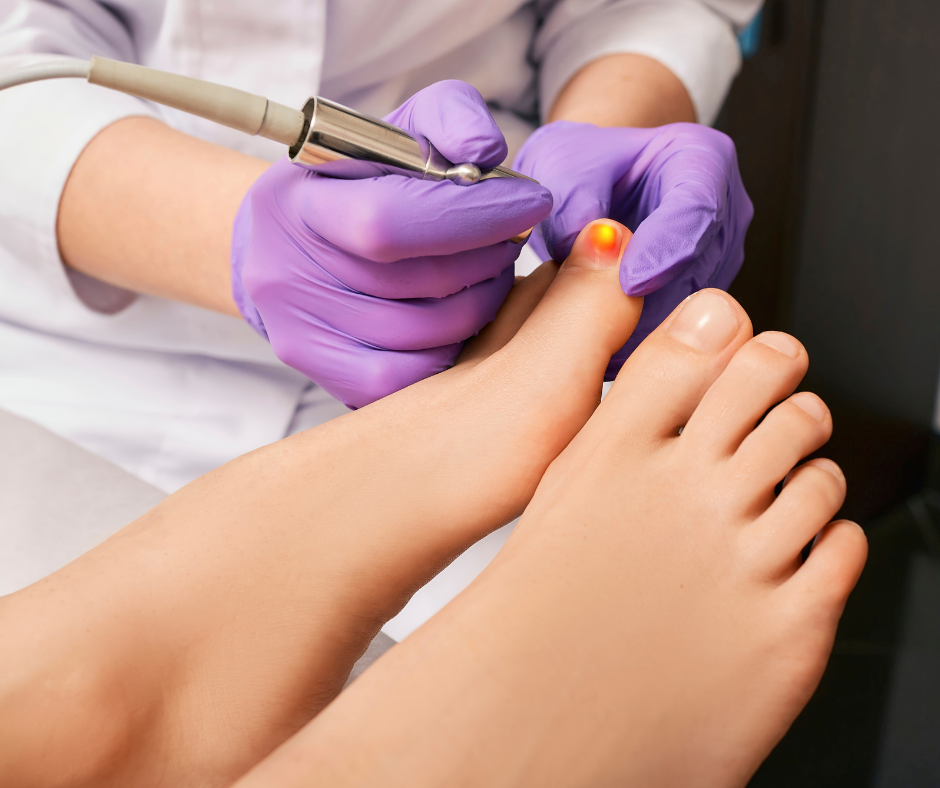
Fungal nails occur when fungi grow under or around a child’s nail, causing changes such as yellowing, thickening, or brittleness. Since shoes and socks hold warmth and moisture, these infections often develop on the toenails first. Children can pick up the fungi from damp surfaces, shared items, or infected nails, and these exposures allow the organisms to spread. Here are some daily habits to prevent fungal nails in children:
Wash and Dry Feet
Keeping feet clean and dry is an effective way to protect against fungal nail infections. Each day, your child should clean their feet with soap and warm water, paying attention to the skin between the toes. Fungi can collect and grow in these areas because they are more likely to hold moisture and remain covered. After a bath or shower, pat each foot with a clean towel and press gently between the toes until the skin feels dry. Skip shared towels; a damp towel moves fungi from one person to another. When feet stay dry, the environment becomes less friendly to fungal growth.
Treat Sweat
Sweaty feet create the warm, moist conditions that fungi prefer. Active children often produce a lot of sweat inside their shoes during play, sports, and long school days. Swap their socks for a fresh pair whenever the old ones feel damp. Socks made from cotton or moisture-wicking materials help minimize moisture buildup, while thick synthetic fabrics trap heat. A light dusting of foot powder before putting on shoes helps absorb excess moisture throughout the day. Small steps like these prevent sweat from sitting against the feet, where fungal nails are more likely to develop.
Clean Footwear
Properly maintaining shoes helps prevent odors, and it creates a healthy environment for feet. Dirty, damp shoes hold onto fungi and pass them back to clean skin. Air out your child’s shoes after each wear, and let them dry fully before the next use. Rotating between two pairs gives each one time to dry out completely between wears. Here are a few habits that keep footwear in good shape:
- Wash machine-safe shoes and insoles regularly, then dry them away from the bag or locker.
- Replace socks daily, and more often after sports or hot weather.
- Use antifungal sprays or powders inside shoes that often smell damp.
- Toss out worn shoes that stay wet no matter how long they sit.
Protect Feet in Public Areas
Public spaces deserve extra care because warm, wet floors attract fungi from many people. Swimming pools, locker rooms, communal showers, and gym changing areas are common places where children come into contact with fungi. Encourage your child to wear flip-flops or water shoes on these wet floors instead of walking barefoot, and remind them to keep protective footwear nearby.
At home, set a rule that no one shares socks, shoes, or nail clippers, since these items can spread fungi from foot to foot. After any visit to a shared facility, a quick wash and a careful dry round out the routine. These habits reduce contact with surfaces where fungi tend to gather, and they support ongoing protection against fungal exposure.
Visit a Podiatrist for Fungal Nails
Daily habits reduce the risk of infection, but some cases of fungal nails still occur despite careful care. Watch for warning signs such as yellow or white patches, thickening, crumbling edges, or a change in nail shape. A podiatrist examines the nail, identifies the cause, and explains the treatment options suited to your child. Early attention often makes the situation easier to manage before the nail changes further. Book an appointment with a podiatrist today if you notice any of these signs on your child’s nails.
- How To Manage a Rotator Cuff Tear
- Treatment Options for a Rotator Cuff Tear
- Erectile Dysfunction Specialists and How They Help Improve Quality of Life
- The Benefits of a Podiatrist in Managing Chronic Foot Pain
- What To Expect During a Visit to the Gynecologist
