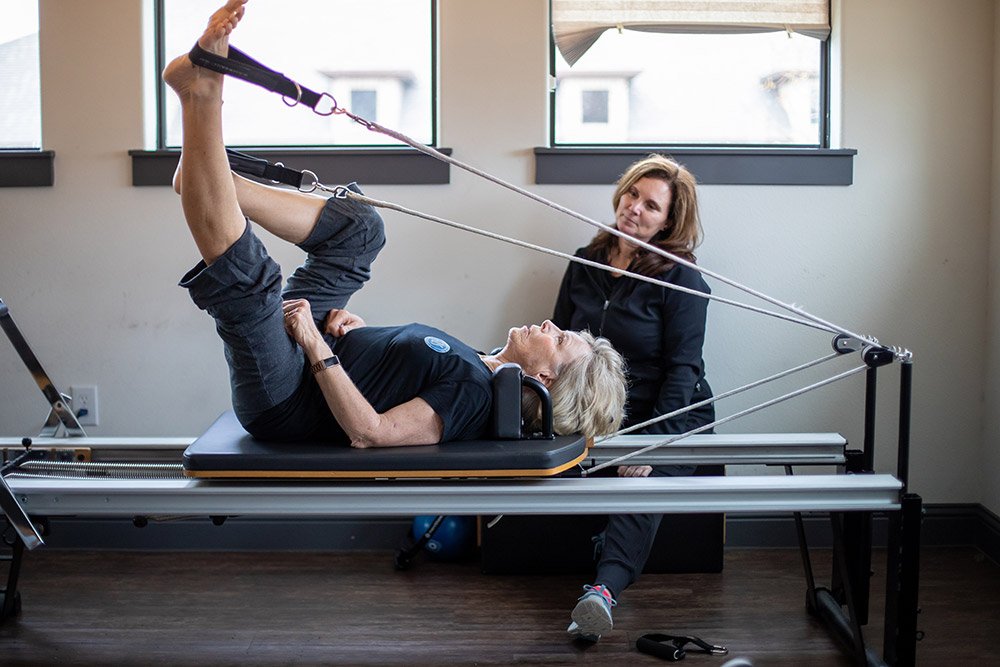
Back injuries can occur during physical activity when the spine, muscles, ligaments, or surrounding tissues are subjected to excessive strain. Proper movement, warmups, and safe exercise habits may help reduce the risk of discomfort or injury during workouts, sports, or daily tasks. Here are some ways to prevent back injuries during physical activity:
Controlling Movement and Form
Maintaining proper form is fundamental when performing physical activities. Incorrect movements place unnecessary stress on the spine; this may cause acute back injuries. Here are ways to control form and movement:
- Maintain a neutral spine: Keep your back straight to distribute weight evenly. A neutral spine reduces the risk of muscle strain and protects the intervertebral discs.
- Use your legs: Lift objects with your leg muscles instead of your back. This technique limits spinal compression.
- Avoid twisting motions: Keep your shoulders and hips aligned during physical exertion. When you twist your torso while lifting heavy items, you expose your back to severe damage.
Proper form acts as your primary defense against back injuries. You must consistently monitor your posture and seek professional guidance if you experience difficulties.
Supporting Strength and Flexibility
Building core strength is a key component of spinal health. The muscles in your abdomen and lower back support the spine, and they stabilize your body during movement. When these muscles are weak, the spine bears extra weight, which may lead to back injuries.
Stretching also improves the range of motion in your joints; it relieves tension in the muscles surrounding the spine. Tight hamstrings pull on the pelvis, which can alter your posture and strain the lower back. You should stretch regularly and incorporate flexibility exercises into your daily routine. Combining strength and flexibility exercises produces the best results. A balanced fitness program targets all major muscle groups, and it makes sure that the spine receives adequate support.
Planning Safe Activities
Properly structuring your workout routine can prevent physical strain. A well-planned exercise session prepares the body for exertion, and it allows for adequate recovery. Here are ways to make your activities safe:
- Warm up adequately: Begin every session with light cardiovascular exercise. A proper warm-up increases blood flow to the muscles and prepares the spine for intense activity.
- Gradually increase intensity: Slowly increase the weight or duration of your workouts. Sudden spikes in activity levels overwhelm the muscles, increasing the likelihood of back injuries.
- Incorporate rest periods: Allow your body time to recover between intense exercise sessions. Rest gives tissues time to heal, and it prevents repetitive strain injuries from developing over time.
Planning your physical activities carefully can keep your back safe. You can track your progress and adjust your routine based on your body’s response.
Recognizing Warning Signs and Recovery
Recognizing the early signs of injuries is fundamental to your health. Pain serves as a warning signal from the body; it indicates that a specific tissue is sustaining damage. If you ignore sharp or persistent pain, the underlying condition often worsens. You must stop exercising immediately when you feel sudden discomfort.
Rest is the first step in the recovery process. Applying ice may reduce inflammation; it numbs the affected area, providing temporary relief. While rest is helpful, prolonged inactivity can weaken muscles and delay healing. You should gradually reintroduce gentle movements and monitor your symptoms closely.
Evaluate Your Back Injuries Today
Preventing back injuries requires a systematic approach to physical activity. Proper form, core strength, and safe planning are key elements; they can protect the spine from unnecessary damage. For persistent discomfort, you should seek professional medical advice immediately. Contact a qualified pain specialist near you to schedule your appointment and evaluate your back injuries today.
- How To Manage a Rotator Cuff Tear
- Treatment Options for a Rotator Cuff Tear
- Erectile Dysfunction Specialists and How They Help Improve Quality of Life
- The Benefits of a Podiatrist in Managing Chronic Foot Pain
- What To Expect During a Visit to the Gynecologist
