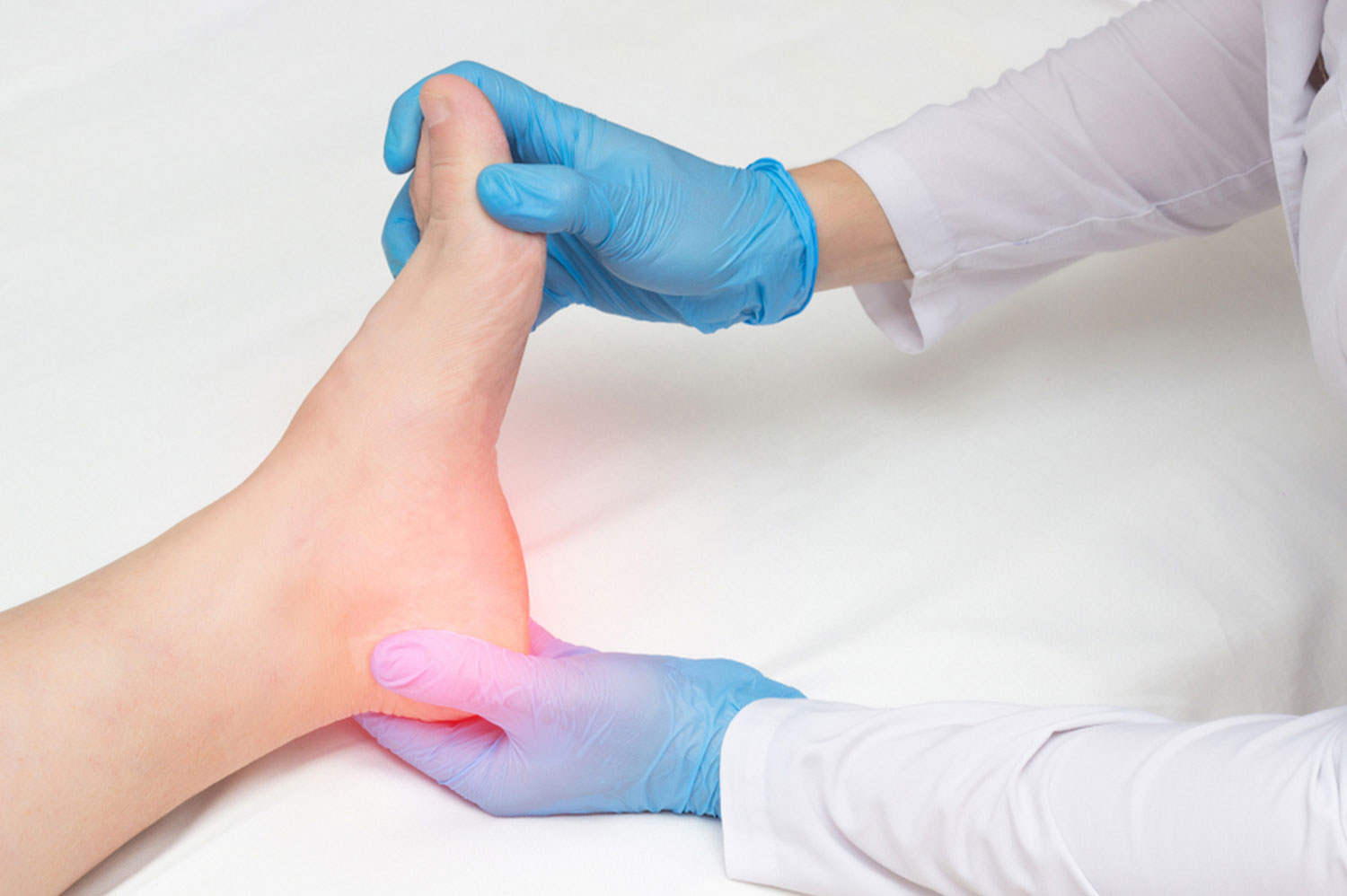
Heel pain can make even the smallest daily tasks feel difficult. If your first steps in the morning hurt, or standing for long periods causes sharp pain in your heel, you may be dealing with plantar fasciitis. The good news is that many people recover without surgery or expensive treatments. With the right home care, patience, and consistency, you can reduce pain and heal naturally.
This article explains plantar fasciitis in simple words and gives practical home treatments that really work.
What Is Plantar Fasciitis?
Plantar fasciitis happens when the thick band of tissue on the bottom of your foot (called the plantar fascia) becomes irritated or inflamed. This tissue connects your heel bone to your toes and supports your foot arch.
When it gets strained or overused, tiny tears can form, causing pain — especially in the heel.
Common Symptoms
You may have plantar fasciitis if you feel:
- Sharp pain in the bottom of the heel
- Pain when taking your first steps after waking up
- Pain after long periods of sitting or standing
- Stiffness in the foot
- Pain that improves after walking but returns later
Why It Happens
Several everyday factors can cause plantar fasciitis:
- Standing for long hours
- Walking barefoot on hard floors
- Wearing unsupportive shoes
- Being overweight
- Tight calf muscles
- Sudden increase in physical activity
- Flat feet or very high arches
Understanding the cause helps you treat it properly at home.
Best Home Treatments for Plantar Fasciitis Heel Pain
1. Rest Your Foot
Rest is the first step toward healing. Avoid activities that worsen the pain, such as running, jumping, or long standing.
You don’t have to stop moving completely — just reduce stress on your heel.
Helpful tips:
- Sit whenever possible
- Avoid walking barefoot
- Use a cushioned mat if standing in the kitchen
- Take breaks during work
2. Ice Therapy (Cold Treatment)
Ice reduces inflammation and numbs pain quickly. It is one of the easiest and most effective home remedies.
How to use ice:
- Wrap ice in a cloth (never apply directly to skin)
- Place on the heel for 15–20 minutes
- Repeat 2–3 times daily
Ice bottle roll method:
Fill a water bottle and freeze it. Roll your foot over the bottle for a gentle massage plus cold therapy at the same time.
3. Stretching Exercises
Tight muscles in the foot and calf increase stress on the plantar fascia. Gentle stretching helps loosen these muscles and reduce pain.
A. Calf Stretch
- Stand facing a wall
- Place hands on the wall
- Step one foot back
- Keep the back heel on the floor
- Lean forward until you feel a stretch
- Hold for 20–30 seconds
Repeat 3–5 times.
B. Plantar Fascia Stretch
- Sit down
- Place one foot over the opposite knee
- Pull your toes back toward your shin
- Hold for 20 seconds
You should feel stretching in the arch of your foot.
C. Towel Stretch (Morning Stretch)
Before getting out of bed:
- Loop a towel around the ball of your foot
- Gently pull toward you
- Hold for 20 seconds
This reduces morning pain significantly.
4. Foot Massage
Massage improves blood flow and relaxes tight tissues.
Simple massage methods:
- Use your hands to knead the arch
- Roll your foot over a tennis ball
- Use a frozen bottle for massage + cold therapy
Do this for 5–10 minutes daily.
5. Wear Supportive Shoes Indoors
Walking barefoot on hard floors is one of the biggest causes of ongoing heel pain.
Even at home, wear:
- Cushioned slippers
- Arch-support sandals
- Soft athletic shoes
Avoid flat flip-flops or thin sandals.
6. Use Arch Supports or Insoles
Over-the-counter shoe inserts can reduce pressure on the heel and provide comfort during walking.
Look for insoles that offer:
- Heel cushioning
- Arch support
- Shock absorption
They are affordable and available in most pharmacies.
7. Night Splints (Optional)
Some people feel severe pain when they wake up because the plantar fascia tightens overnight.
A night splint keeps your foot in a gentle stretched position while you sleep. This prevents stiffness and reduces morning pain.
8. Maintain a Healthy Weight
Extra body weight increases pressure on the heel. Even small weight loss can significantly reduce symptoms.
Focus on:
- Balanced meals
- Drinking enough water
- Gentle exercises like swimming or cycling
Avoid high-impact activities until pain improves.
9. Warm Water Soak (After Acute Pain Reduces)
Warm water relaxes muscles and improves circulation.
You can add:
- Epsom salt
- Mild essential oils
- Plain warm water
Soak for 15–20 minutes in the evening.
Note: Use ice therapy if the heel is swollen or very painful.
10. Avoid Activities That Make It Worse
While healing, try to avoid:
- Running or jogging
- Jumping exercises
- Walking on hard surfaces for long periods
- Wearing worn-out shoes
Switch to low-impact activities like swimming, cycling, or gentle yoga.
Daily Home Routine for Faster Healing
Here is a simple routine you can follow:
Morning:
- Towel stretch before getting up
- Wear supportive footwear
Afternoon:
- Avoid long standing
- Gentle stretching
Evening:
- Foot massage or rolling
- Ice therapy
Night:
- Optional warm soak
- Use night splint if needed
Consistency is the key to recovery.
How Long Does Recovery Take?
Most people improve within:
- 2–6 weeks with proper care
- 3–6 months for full healing
Ignoring the pain can make recovery much longer.
When to See a Doctor
Home treatment works for most people, but medical advice is needed if:
- Pain is severe
- Pain lasts more than several months
- You cannot walk normally
- There is numbness or tingling
- Home remedies are not helping
Early treatment prevents chronic problems.
Frequently Asked Questions (FAQs)
1. Can plantar fasciitis heal on its own?
Yes, in many cases it heals naturally with rest, stretching, and proper footwear. However, ignoring symptoms can delay recovery.
2. Is walking good or bad for plantar fasciitis?
Gentle walking is okay, but long walks or standing for hours can worsen the condition. Listen to your body and avoid pain-triggering activities.
3. Should I use heat or ice for heel pain?
Ice is best during the painful or swollen stage. Heat can be used later to relax muscles once inflammation decreases.
4. Are barefoot shoes or walking barefoot helpful?
No. Walking barefoot on hard floors often makes plantar fasciitis worse. Supportive footwear is recommended even indoors.
5. What is the fastest way to relieve plantar fasciitis pain at home?
A combination of these works fastest:
- Rest
- Ice therapy
- Stretching exercises
- Supportive shoes
- Foot massage
There is no instant cure, but consistent care brings quick improvement.
Final Thoughts
Plantar fasciitis heel pain can feel frustrating, but it is very treatable at home. Most people recover without surgery by following simple daily habits. Rest, stretching, proper footwear, and ice therapy are the foundation of healing.
The most important thing is consistency. Small actions done every day can make a big difference. If you take care of your feet now, you can return to normal activities without pain and prevent the problem from coming back.
