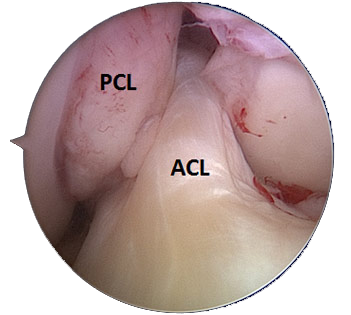
Joint pain and reduced mobility can affect daily life in many ways. When symptoms persist despite rest, medication, or physical therapy, an orthopedic specialist may recommend a closer look inside the affected joint. Arthroscopy is one method that allows physicians to examine joint problems, and they can also treat issues through these small incisions.
What Is an Arthroscopy?
Arthroscopy is a minimally invasive surgical technique used to view, diagnose, and treat problems inside a joint. During the procedure, a surgeon inserts a thin instrument called an arthroscope into the joint. This tool contains a small camera and light source; this transmits real-time images to a monitor in the operating room. Surgeons can use arthroscopy on the body’s joints; this includes the knee, shoulder, hip, and wrist. Because it relies on small incisions rather than a large opening, the technique may reduce tissue disruption compared with traditional open surgery.
What Does It Involve?
Patients often receive instructions about eating and medication in the hours leading up to the appointment. On the day of the procedure, the patient receives anesthesia. Once the anesthesia takes effect, the surgeon makes one or more small incisions near the joint. The arthroscope goes through one incision, and it sends magnified images to the monitor. If treatment is needed, the surgeon inserts additional slender instruments through separate incisions to perform tasks.
After completing the work, the surgeon withdraws the instruments. The incisions are closed with stitches and covered with a bandage. The duration varies based on the joint and the complexity of the case. Many arthroscopic procedures are performed on an outpatient basis; this typically means patients can return home the same day.
What Does Recovery Entail?
Recovery timelines differ from one person to another, and it depends on the joint treated and the extent of any repairs. Because the incisions are small, patients may experience a shorter recovery period than they would after open surgery. Some stiffness or discomfort in the days following the procedure is common.
The care team can provide guidance on managing recovery, such as wound care, activity limits, and pain management. Applying ice and resting helps reduce swelling, and a doctor may prescribe medication to manage discomfort. Physical therapy often plays a role in restoring strength, flexibility, and range of motion. Following the recommended exercise plan can support a steady return to normal activity.
Patients should watch for signs of complications, such as increasing pain, fever, or unusual redness around the incisions, and report these to their provider. Follow-up appointments allow the surgeon to monitor healing, and they can adjust the recovery plan as needed. Returning to daily activities depends on the individual’s progress and the surgeon’s advice.
Consult an Orthopedic Specialist
An orthopedic specialist can evaluate joint pain and determine whether arthroscopy or another treatment fits your situation. This evaluation gives you the chance to ask questions about the procedure, recovery, and expected outcomes. If joint pain or limited movement is affecting your daily routine, scheduling an appointment with a medical care provider is a practical next step. A specialist will offer a treatment plan tailored to your needs, and they can help you move toward improved joint function.
