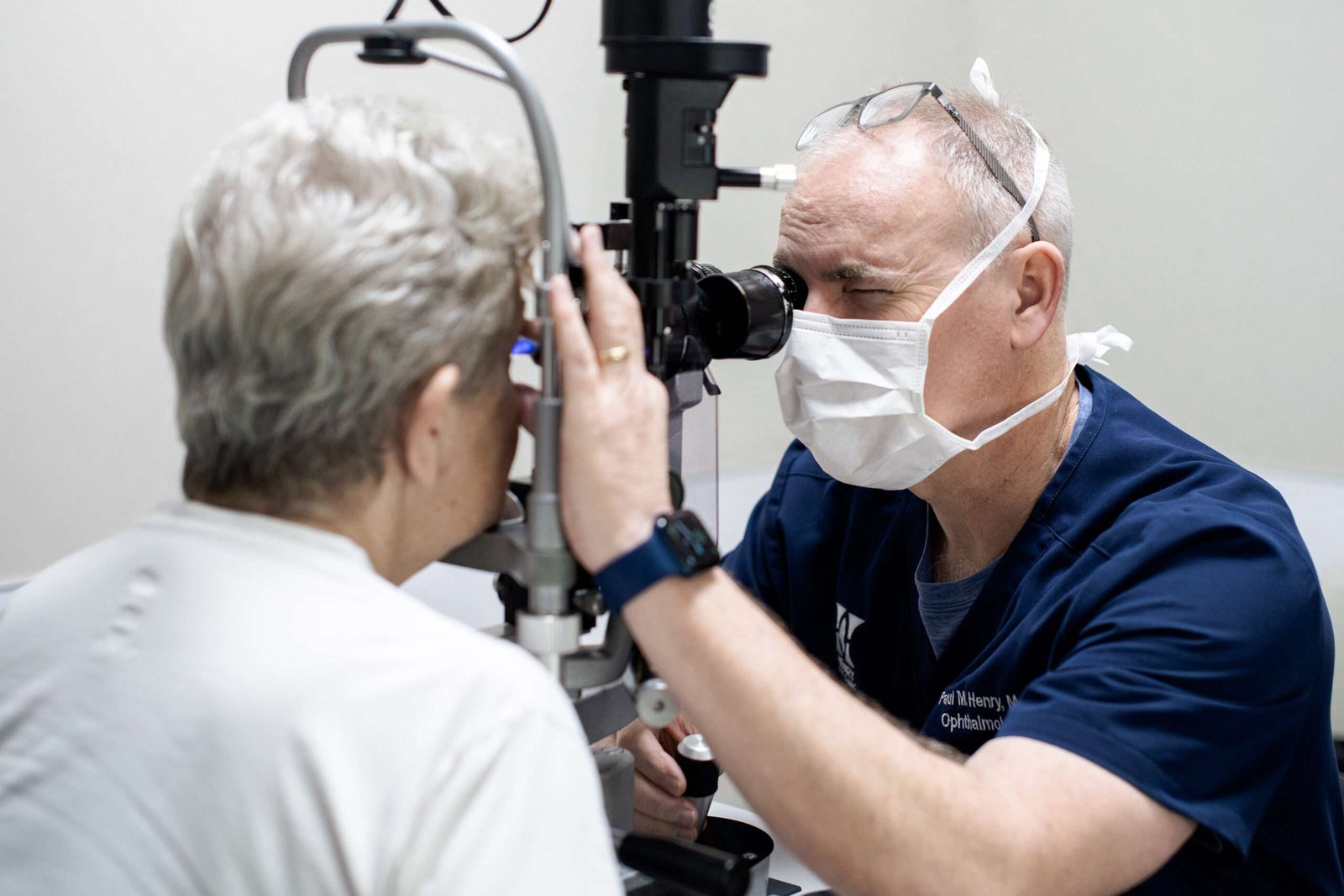
A retinal tear occurs when the clear, gel-like substance in the center of the eye shrinks and pulls on the retina. When a tear develops in this tissue, you may experience sudden changes in your vision. Medical intervention addresses the physical damage, and it helps prevent further complications. Here is more information about this condition, its causes, and how it’s treated:
What Is a Retinal Tear?
The retina is a layer of light-sensitive tissue lining the inside back wall of your eye, and it converts light into signals that travel to your brain, allowing you to see. A retinal tear occurs when this tissue develops a break or rip. When fluid passes through the tear and lifts the retina away from its supporting layers, it can progress to a more serious condition called retinal detachment. Left untreated, a retinal tear can lead to permanent vision loss. Prompt diagnosis and treatment reduce the risk of further damage.
What Causes It?
The most common cause of this condition is age-related changes in the vitreous. As you grow older, the vitreous shrinks and pulls away from the retina; this process is known as posterior vitreous detachment. When the vitreous tugs hard enough, it can tear the retinal tissue.
Several factors raise your likelihood of developing a tear. Nearsightedness, or myopia, stretches the eye and thins the retina, making it more prone to tearing. Eye injuries, previous eye surgery, and a family history of retinal problems also increase the risk. Patients who have experienced a tear or detachment in one eye are at higher risk of developing one in the other eye, and consulting an eye specialist can help manage this risk effectively.
What Are the Symptoms?
A retinal tear often produces noticeable changes in your vision. Recognizing these signs allows you to act quickly. Watch for the following symptoms:
- Floaters: small specks, dots, or cobweb-like shapes that drift across your field of vision
- Flashes of light: brief flickers or streaks, often appearing in your peripheral vision
- Blurred vision: a sudden decline in clarity
- A shadow or curtain: a dark area spreading across part of your sight
A sudden increase in floaters or flashes calls for an immediate eye examination. These symptoms do not always cause pain, so the absence of discomfort should not delay your visit to an eye specialist.
What Are the Treatment Options?
Treatment aims to seal the break and prevent fluid from lifting the retina; the chosen method depends on the tear’s size, location, and severity. Laser therapy is an effective treatment. During this procedure, the eye specialist directs a focused laser beam at the area surrounding the tear. The laser creates small burns that form scar tissue, which welds the retina to the underlying layer and prevents fluid from seeping through. The procedure takes only a few minutes, and it may cause minimal discomfort.
Seek Professional Treatment Today
A retinal tear develops when the retina rips, often due to age-related changes in the vitreous, nearsightedness, or eye injury. The condition presents with floaters, flashes of light, blurred vision, and shadows across your field of view. Treatments such as laser therapy and cryotherapy seal the tear and protect your sight, with recovery usually taking just a few weeks. If you notice any symptoms of a retinal tear, schedule an appointment with an eye specialist without delay. Early treatment helps preserve your vision.
- How To Manage a Rotator Cuff Tear
- Treatment Options for a Rotator Cuff Tear
- Erectile Dysfunction Specialists and How They Help Improve Quality of Life
- The Benefits of a Podiatrist in Managing Chronic Foot Pain
- What To Expect During a Visit to the Gynecologist
